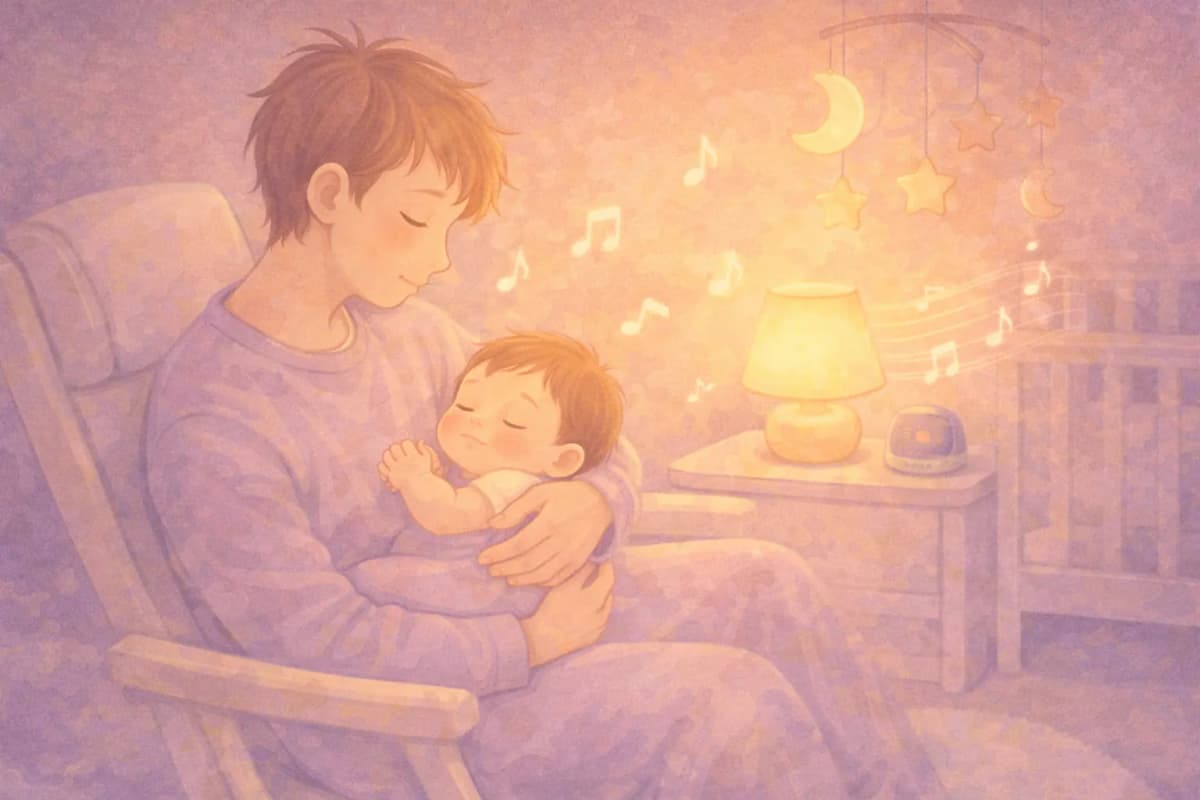
Lullabies are used across cultures as part of infant care. Singing may provide a calm, predictable cue and caregiver interaction, but outcomes vary and the evidence does not justify a promise of longer sleep.
A 2019 cross-cultural study in Science found that song appeared in every society examined and that acoustic features were statistically related to behavioral contexts such as infant care. It supports recognizable patterns across lullabies, but it does not prove that every lullaby makes an infant sleep longer.
The Science: Why Lullabies Work
Evidence from Specialized NICU Music Therapy
A 2013 multisite trial in Pediatrics studied 272 premature infants in NICUs using live, clinically delivered music interventions. It reported changes in heart rate, feeding behavior, sleep patterns, and parent-reported stress. That specialized NICU intervention should not be generalized into a promise that a recording will improve sleep for every healthy infant at home.
Slow, Predictable Sound Can Be Calming
Slow, repetitive melodies may feel less stimulating than fast or loud music and can become a familiar routine cue. Avoid presenting a specific vagus-nerve mechanism as established for every infant or song.
Live and Recorded Lullabies Serve Different Roles
Live singing can include:
- Your unique voice (which they've known since the womb)
- Eye contact and facial expressions
- Synchronized rocking or swaying
- Your regulated breathing, which helps co-regulate theirs
Recorded lullabies can offer consistency and hands-free playback. Current evidence does not establish that either format guarantees sleep or is universally superior.
The 10 Best Lullabies for Baby Sleep
Based on research about tempo, melody simplicity, and what parents have used most successfully:
1. Twinkle Twinkle Little Star
Why it works: Simple 6-note melody, repetitive structure, and a narrow pitch range. The tempo naturally falls around 70 BPM — close to a resting heart rate.
2. Brahms' Lullaby (Lullaby and Goodnight)
Why it works: Composed specifically as a lullaby in 1868, it has a slow 3/4 waltz time that mimics gentle rocking. The melody descends at the end of each phrase, which research shows is calming.
3. Rock-a-Bye Baby
Why it works: The rocking rhythm (6/8 time) mirrors the motion of being carried or swayed. The descending melody and repetitive structure make it easy to sing softly.
4. Hush Little Baby
Why it works: The call-and-response structure is predictable and soothing. It's also one of the easiest to sing because it follows a simple, narrow melody.
5. All the Pretty Horses
Why it works: Slower tempo than many lullabies and a haunting, gentle melody. The long vowel sounds ("hush-a-bye" and "horses") are naturally calming.
6. You Are My Sunshine
Why it works: While not a traditional lullaby, its simple melody, slow pace, and emotional warmth make it one of the most popular bedtime songs. Parents naturally sing it softly and slowly.
7. Somewhere Over the Rainbow
Why it works: The opening octave leap and gentle descending melody create a dreamy quality. Best sung slowly and softly — it's naturally suited to a lullaby tempo.
8. Moon River
Why it works: Written in 3/4 waltz time with a flowing melody. The sustained notes and gentle rhythm make it perfect for slow, relaxed singing.
9. Golden Slumbers (The Beatles)
Why it works: Paul McCartney based this on a 17th-century lullaby by Thomas Dekker. The simple, descending melody and comforting lyrics ("sleep pretty darling, do not cry") are textbook lullaby elements.
10. A Dream Is a Wish Your Heart Makes
Why it works: Slow tempo, gentle melody, and positive emotional content. Disney songs are surprisingly effective lullabies because they're designed to be memorable and singable.
How to Use Lullabies in Your Bedtime Routine
Timing Matters
Lullabies work best as the second-to-last or last step in your bedtime routine. A typical structure:
1. Bath
2. Pajamas
3. Feed
4. Book or quiet play
5. Lullaby (1-2 songs) ← Here
6. Place baby in crib drowsy but awake
Singing the same 1-2 songs every night creates a powerful sleep association. After a few weeks, your baby will start showing signs of drowsiness as soon as they hear the familiar melody.
Singing Tips for Non-Singers
You don't need to be a good singer. Research shows babies respond to their parent's voice regardless of pitch accuracy. What matters is:
- Slow tempo — Slower than you think. Aim for a relaxed pace
- Soft volume — Barely above a whisper is ideal
- Gentle rocking — Sync your swaying to the rhythm
- Consistency — Same songs, same order, every night
When to Use Recorded Lullabies
Recorded lullabies are great for:
- Nap time when you might need your hands free
- Middle of the night when you're too tired to sing
- Transitioning away from feeding to sleep — replacing nursing with music as the last sleep cue (see our gentle sleep training guide)
- Car rides and travel when the sleep environment changes
SleepSpot includes a built-in lullaby player with a curated collection of gentle melodies. You can set an auto-shutoff timer (15, 30, 45, or 60 minutes) so the music fades after baby falls asleep. The app plays with the screen off to save battery and avoid blue light in the nursery.
Lullabies During Sleep Regressions
During the 4-month, 8-month, or 18-month sleep regressions, when your baby suddenly resists sleep, lullabies become even more valuable. Because they're a familiar sleep cue, they provide consistency when everything else feels chaotic.
If your baby is fighting sleep during a regression:
- Stick with the same lullabies — don't add new songs
- You may need to sing for slightly longer (3-4 songs instead of 1-2)
- Consider adding lullabies to nap routines if you haven't already
- Track sleep patterns during the regression using SleepSpot to see when it's improving
Start With One Lullaby and Sing It Every Night
Lullabies are a free, widely available option for a calm routine. Repetition may help make the song a familiar cue, but it does not guarantee a hormonal change or improved sleep.
Choose one or two quiet songs, use them at a consistent point in the routine if your baby seems comfortable, and adjust or stop if they are stimulating rather than calming.
“Cross-cultural research finds recognizable patterns in songs used for infant care, but it does not promise that any specific lullaby will improve sleep.”
— SleepSpot Editorial Team