Sleep Science
How to Calculate Baby Wake Windows (Step by Step)
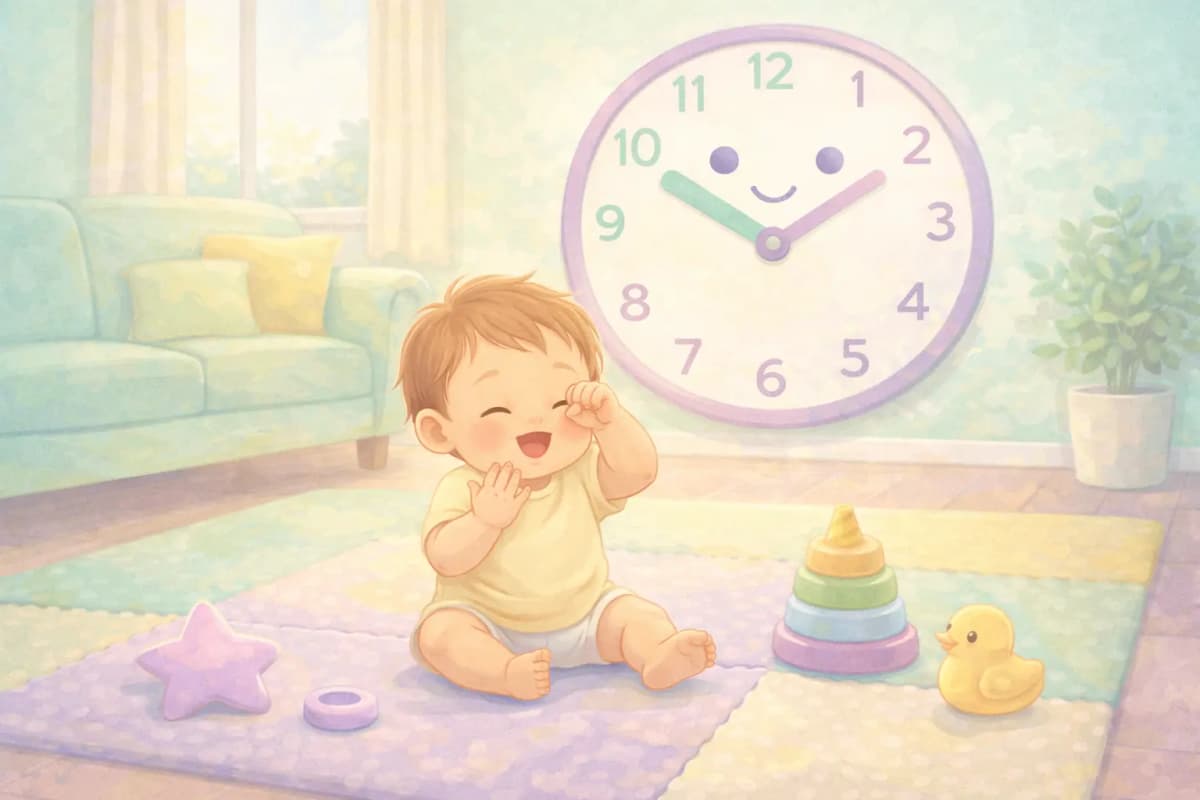
Learn when a baby wake window starts and ends, how to calculate it from a sleep log, and how to adjust your plan after short naps or unusual days.
S
SleepSpot Editorial Team·10 min readSource-linked guides to infant sleep architecture, circadian rhythms, wake windows, and age-by-age sleep schedules from the SleepSpot editorial team.
7 articles
Sleep science is the foundation of this category. These articles summarize public guidance and research from organizations such as the American Academy of Pediatrics, the National Sleep Foundation, and university sleep labs. You'll find plain-language explanations of baby sleep architecture, circadian rhythms, regressions, and wake windows. Sources are linked in the articles so you can check them directly. The SleepSpot editorial team prepares this general information; it has not been medically reviewed and does not replace advice from your child's clinician.
Learn when a baby wake window starts and ends, how to calculate it from a sleep log, and how to adjust your plan after short naps or unusual days.

See how daytime nap counts, typical spacing, and nap transitions commonly change from newborn to 24 months, with flexible sample schedules by age.
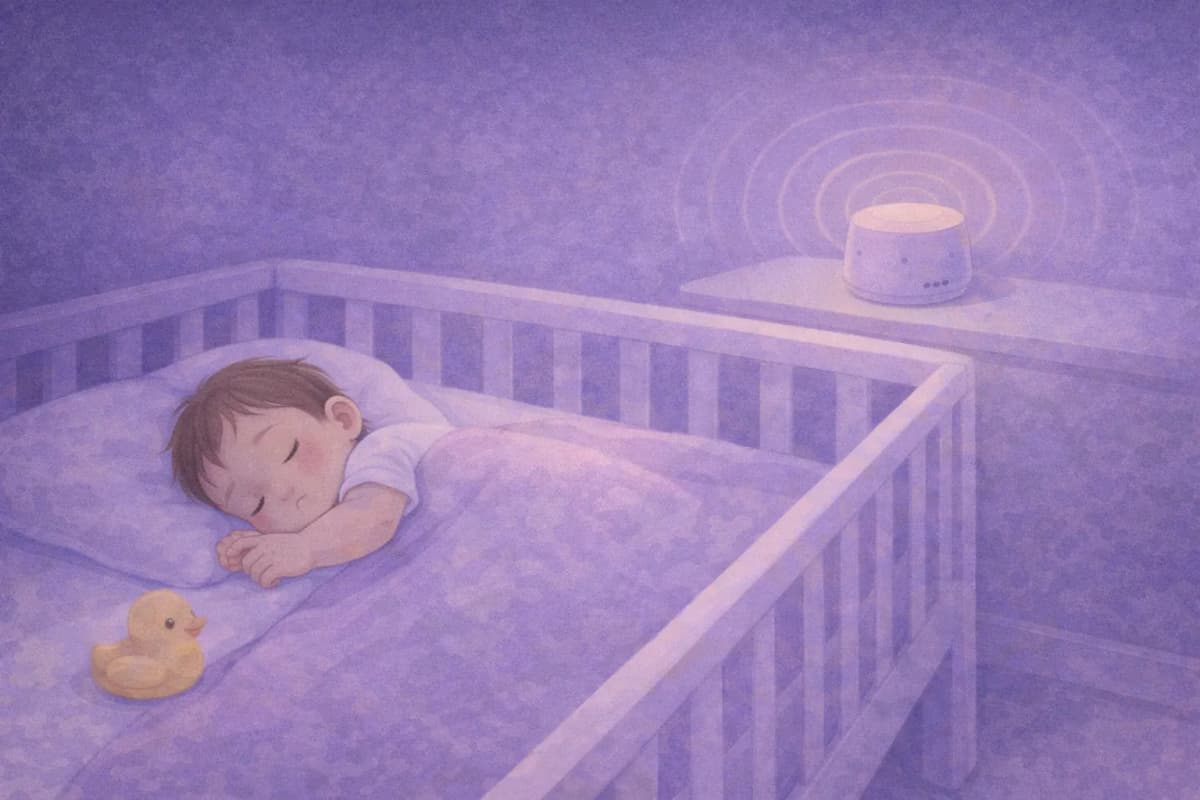
A small newborn trial suggests white noise may help settling, while sound-output studies support conservative volume and placement. Learn what the evidence does and does not show.
Dropping a nap at the wrong time — too early or too late — can unravel an otherwise solid sleep schedule. Here's exactly when and how to handle every nap transition from infancy through preschool.

Learn what sleep associations are, why they form, and how to gently shift negative sleep associations so your baby can fall asleep — and stay asleep — independently.
How much sleep does your baby need? Get age-specific sleep schedules, nap counts, wake windows, and bedtime recommendations from newborn through toddlerhood.
Wake windows are the key to better naps and easier bedtimes. Get the exact wake window ranges for every age from newborn to 24 months, plus signs yours are right.